Ordering an injection moulding machine should be the final step in a technical evaluation, not the beginning of it. Factories that prepare product data, mould information and site requirements in advance are more likely to receive an accurate proposal and achieve faster commissioning.
Before choosing an Injection Moulding Machine Supplier in Delhi NCR, use this readiness checklist to confirm that both the buyer and provider are prepared.
Product Information Is Complete
The supplier should receive a drawing or physical sample of the intended component. Record its dimensions, finished weight, tolerance, surface requirements and expected daily quantity.
If several products will run on the same machine, include the smallest and largest components. Selection based on only one average product can overlook important capacity requirements.
Material Details Are Available
Identify the raw material, grade, additives, filler percentage and recycled-content expectations. Different compounds may require different screw designs, temperatures and injection pressures.
If the precise formulation is not final, disclose the likely range and plan trials before commercial production.
Mould Data Has Been Verified
Provide mould dimensions, weight, cavity count, runner type, shot weight and cooling connections. Confirm whether the mould already exists or will be developed with the machine.
The proposed equipment must accommodate mould height, platen size, tie-bar spacing and required opening stroke. These basic checks prevent an expensive compatibility failure.
Capacity Expectations Are Realistic
Define output as acceptable components or pairs per shift. Include expected breaks, changeovers and routine inspections.
The supplier should explain the assumptions used to calculate output. If the estimate depends on an untested cycle time, treat it as provisional until a production trial is completed.
Site Utilities Have Been Assessed
Confirm:
- Available electrical load
- Voltage and phase
- Earthing provision
- Cooling arrangement
- Compressed-air availability
- Ventilation
- Floor condition
- Machine access route
- Unloading equipment
Industrial buildings in Delhi NCR vary considerably. A pre-installation site assessment can prevent delays caused by narrow access, inadequate power or insufficient service clearance.
Technical Scope Is Written Clearly
The proposal should identify the machine model, capacity, component brands, controls, safety systems, accessories and optional features.
Clarify whether the supply includes hydraulic oil, cooling equipment, material loaders, mould-temperature systems, stabilisers or installation tools. Items not included should be listed explicitly.
Trial Conditions Are Agreed
Define who will supply the mould and material, where the trial will occur and what result will be considered acceptable.
Useful acceptance measures include:
- Stable cycle time
- Product weight range
- Surface quality
- Dimensional compliance
- Rejection percentage
- Temperature stability
- Safety-system operation
Photographs or one successful sample should not replace a repeatability trial.
Service Responsibilities Are Confirmed
The supplier should specify installation, commissioning and training arrangements. Ask who will respond to hydraulic, electrical and controller-related faults.
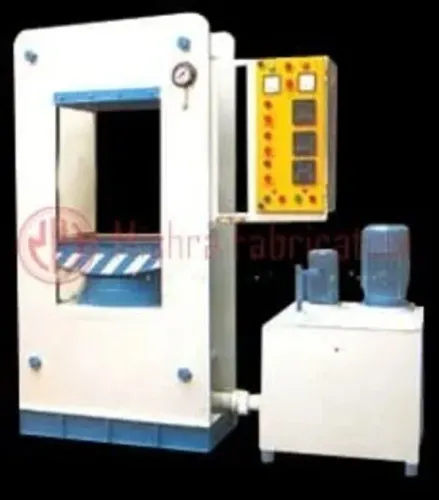
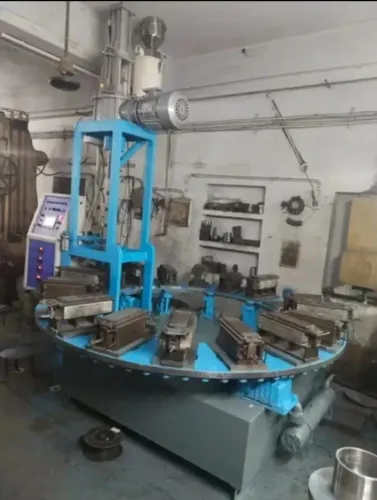
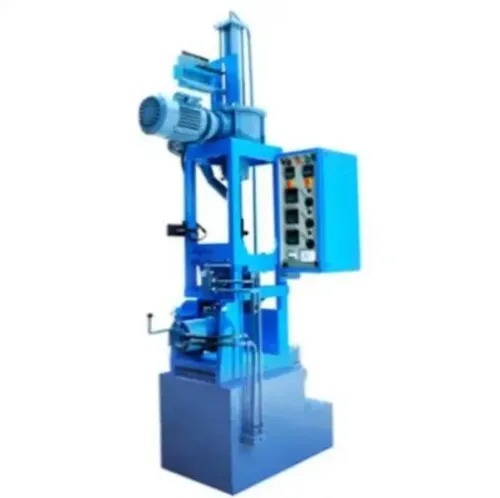
Mishra Fabrication can be assessed using these readiness indicators when a factory requires injection moulding or footwear machinery in Delhi NCR. The discussion should remain tied to verified production requirements.
Commercial Terms Are Understood
Review payment milestones, delivery period, transport, taxes, insurance and warranty coverage. Link final payment or acceptance to clearly defined deliverables where commercially appropriate.
Ask how delays, transit damage and specification changes will be handled.
The Factory Team Is Prepared
Assign responsible people for installation, operation, quality and maintenance before the machine arrives. Operator training should cover safe startup, parameter setting, shutdown, cleaning and basic fault identification.
Maintenance staff should receive the lubrication schedule, component list and recommended spare inventory.
Final Ordering Decision
The factory is ready to order when the product, material, mould, utilities and acceptance criteria have all been documented. The supplier is ready when it provides a technically matched proposal, transparent scope, trial support and clear service responsibility.
This preparation reduces the risk of commissioning delays and performance disputes. It also helps manufacturers invest in machinery that meets real production needs rather than relying on broad capacity claims.
Keywords